User Tools

Site Tools


Navigation Menu

Rustic Retreat

Live broadcasts and documentation from a remote tech outpost in rustic Portugal. Sharing off-grid life, the necessary research & development and the pursuit of life, without centralized infrastructure.
Rustic RetreatSubscribe to our new main project Rustic Retreat on the projects own website.

Hot Projects

SEEDStack
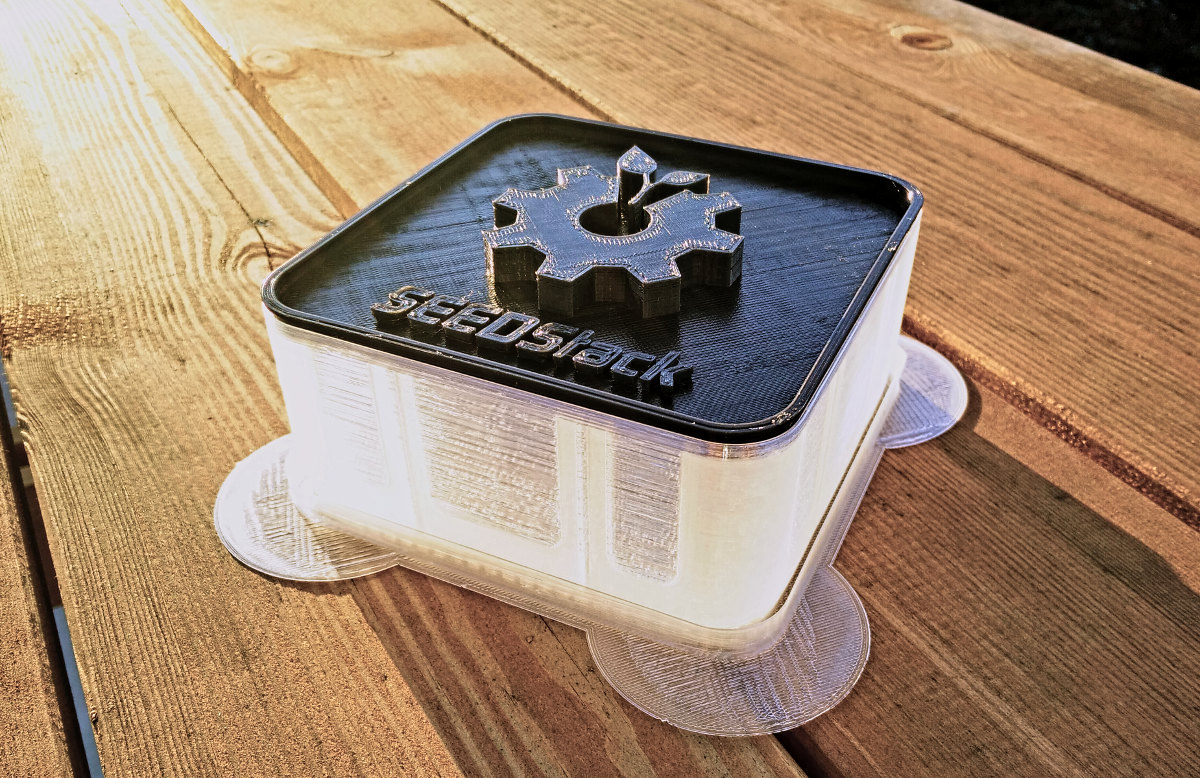
SEEDStack - Open 3D printable seed/sprouting systemDIY Food Hacking

UCSSPM

UCSSPM - Unified Clear-Sky Solar Prediction ModelOpen Solar Power

picoReflow

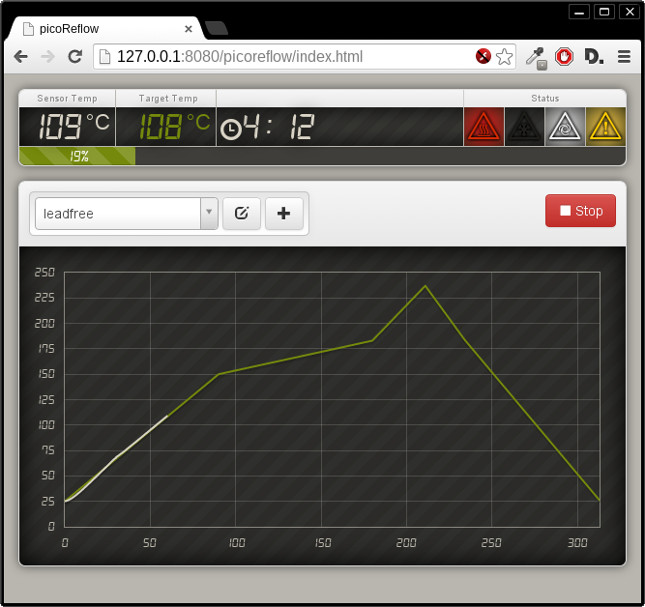
picoReflow - DIY PID Reflow Oven Controller based on RaspberryPiDIY Reflow Soldering

PiGI

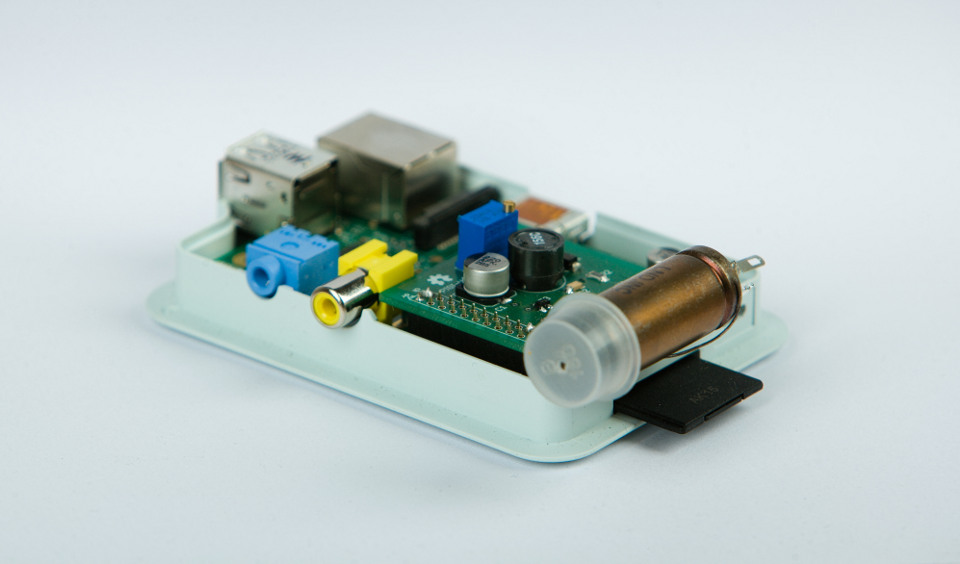
PiGI - DIY Geiger Counter based on RaspberryPiRasPi Geiger Counter

DIY ARA-2000

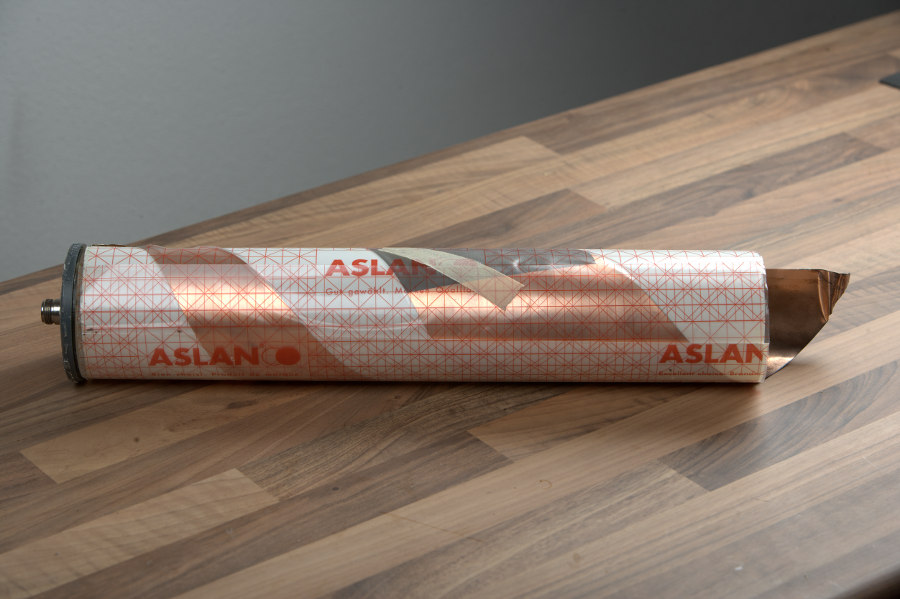
Active Wideband Receiver Antenna for SDR - ARA-2000Wideband Antenna

DSpace

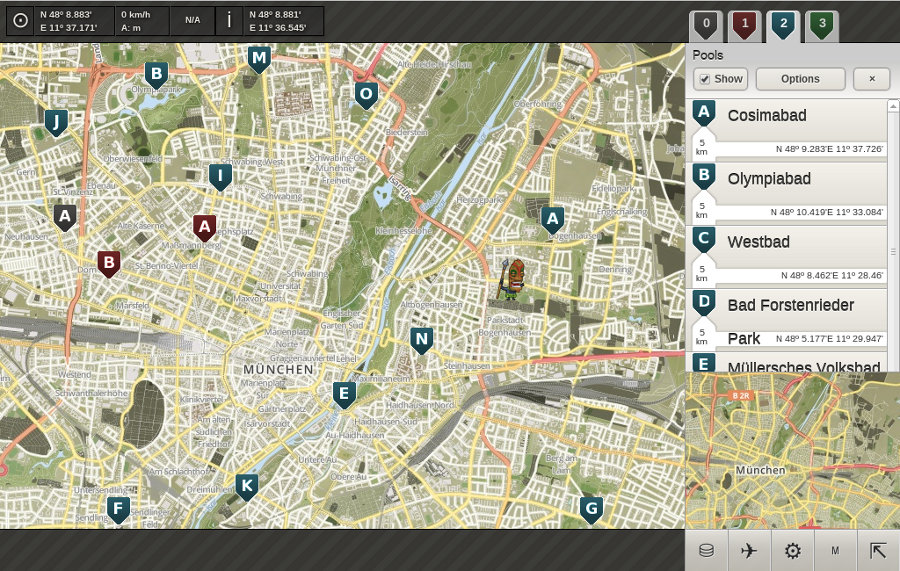
DSPace - Map everythingMap everything!

Mission-Tags

Apollo-NG Mobile Hackbase

Apollo-NG Hackerspacecraft

Apollo-NG is a mobile, self-sustainable, independent and highly-experimental Hackbase, focused on research, development and usage of next-generation open technology while visiting places without a resident, local Hackerspace and offering other Hackers the opportunity to work together on exciting projects and to share fun, food, tools & resources, knowledge, experience and inspiration.

Latest Mission-Log Entries

Active Wideband Receiver Antenna for your SDR

[Dressler ARA-2000]

Software Defined Radio (SDR) has finally reached a much broader mass of people, who wanted to play with RF technology, but didn't find the time or resources to learn all necessary skills, to build a hardware based radio. Thanks to the work of the GNU-Radio and OsmoCom developer crowd, this barrier is finally gone and everyone can, more or less, directly access, what the antenna receives.

The last Mission-Log about a GNU-Radio based NFM SDR receiver pulled in a lot of people, looking for examples, to better understand GRC and to improve their own SDR projects. The real beauty about it is this: Unlike hardware receivers, which can't simply be replicated and shared, we only have to come up with good software receivers/transceivers once and then may just share them amongst each other, without any limitation.

However, the antenna itself, is still hardware and will most likely never be replaceable by software. On ##rtlsdr people often ask about antennas, because they are clearly not satisfied (and who could blame them) with the performance of the original L/4 DVB-T stub. Unfortunately, there just is no can-do-it-all-perfectly antenna, even if some despicable corporations try to market their products as such.

Other people often recommend Discone-Antennas for wideband reception, but there also are other, less known alternatives, which still are a very good compromise as a general purpose wideband receiver antenna. Not everyone has the space or possibility to put up a Discone-Antenna, so why not use an antenna, that performs even better than a Discone (at least it did here in direct comparison), is a lot smaller and looks way less “conspicuous”:

One of them was the Dressler ARA-2000, covering 50-2000MHz, designed and built in the 90's. The company died the usual death by capitalism (bought by another company and then stripped down and moved production to China). Today there are only a few of these left in the wild and are traded for unrealistic prices on $bay. This particular one was used for the Argus-Prototype but sacrificed and disassembled with the hope, that replicating the antenna will be easy, so that this knowledge would get openly reseeded into the wild, instead of being lost in some archives of a dead corporation. It would be great, if the following documentation about the ARA-2000 would inspire more people, to build their own Active Wideband Receiving Antenna (AWRA) and try to improve and evolve the concept even further or come up with completely new ideas.

→ Read more...

OnePlus One - Automount MTP device with Gentoo

Since the Android folks decided that MTP should be the way to connect Android devices via USB I ran into some trouble while trying to get comfortable access to the OnePlus One. There are a couple of forum threads and blog entries out there how to hack some udev rules and use scripts that try to automount the MTPFS. Some recommend mtpfs others use go-mtpfs or jmtpfs. I've tried them all and the result was still not what I wanted to have. Why can't I just plug it in and have it pop up in thunar, like any other USB/Flash device?

Well, the answer is simple: Because I have forgotten to supply the mtp USE flag for gvfs, which manages all mounting related tasks in Xfce4 for me. I also switched to libmtp-9999, because the stable release doesn't know the OnePlus One yet.

Since it's basically a per machine decision, whether it's probable, that it will ever have to mount an MTP device, just put mtp into your global USE flags in /etc/portage/make.conf

Let's see how that would play out:

$ emerge -upvND --with-bdeps=y @world

And voila:

[ebuild     U *] media-libs/libmtp-1.1.8 [1.1.6-r1] USE="crypt -doc -examples -static-libs" 0 kB
[ebuild   R    ] gnome-base/gvfs-1.20.2  USE="cdda gtk http mtp* udev udisks -afp -archive -avahi -bluray -fuse -gnome-online-accounts -gphoto2 -ios -libsecret -samba -systemd {-test}" 0 kB

After the emerge and logout/login to get gvfs reloaded you're good to go.

Connected to a Thinkpad x230 USB 2.0 port it sustained about 29MB/s read transfer rate (copying OnePlus One 4k videos to the Thinkpad's SSD), which is more or less the maximum one can get out of USB 2.0 anyways.

2025-05-02 06:26

VESC - An open-source/hacker-friendly BLDC ESC

Next generation robots, drones and motorized scooter/skateboard/e-bike projects need efficient and resilient BLDC controllers, so if you're also looking for a solid open-source brushless motor speed controller (BLDC ESC) for your project or knowledge/inspiration to bootstrap your own, then you most definitely want to have a look at VESC.

VESC PCB Top VESC PCB Back

It's a full open-source breed where hardware, firmware and support-software are available on github and no Windows or other crappy, proprietary systems are required for development or tuning/configuration.

BLDC Tool

2016-04-30 08:04 · chrono